




-800x450h.jpg "The Colours of the Season – Palette and Combinations for Women's Clothing")
Colours of the Season – Palette and Combinations for Women's Clothing
Every season brings its own atmosphere – and with it comes a palette of colours that inspire fashion and shape the mood of our wardrobe. The right colours not only refresh a look but also highlight our sense of style, boost confidence and add character to every outfit.
You do not need to be a fashion expert to follow seasonal trends – you simply need to know which colours are currently dominant, how to combine them and how to match them to your personal style and skin tone. In the following paragraphs, we will explore the season's main palette, the most successful colour combinations and a few practical tips on incorporating the new shades into your everyday wardrobe – including your lingerie, which forms the foundation of every complete look.
1.Why Colours Matter
Colour is one of the most powerful tools in fashion – it can transform the overall impression of a look in mere seconds. Warm shades radiate energy and confidence, cool shades create a sense of calm and sophistication, while neutral tones provide the foundation on which you can experiment freely.
Besides their aesthetic value, colour choices also have a practical side. The right shade can complement your skin tone, balance your silhouette and even influence your mood throughout the day. That is why keeping up with the seasonal palette is not merely a fashion whim – it is a way to understand yourself better and discover what suits you.
2.The Season's Main Palette
Every season brings distinctive shades inspired by nature, cultural trends and fashion shows. Here are the main colour categories dominating this year.
Warm Earthy Tones
Brown, terracotta, camel and deep orange create a sense of warmth and comfort. These shades are especially suitable for the autumn-winter season and pair beautifully with neutral and darker colours.
Deep, Rich Tones
Burgundy, dark green, navy blue and aubergine purple add drama and elegance to a look. They are an excellent choice for evening appearances or for adding character to an everyday outfit.
Pastel and Muted Shades
Dusty pink, mint, light purple and muted blue bring softness and femininity. These colours work especially well with lingerie and loungewear, where comfort and delicacy take centre stage.
Classic Neutrals
White, beige, grey and black remain an essential part of every wardrobe. They provide a foundation on which you can build with bolder colour accents.
3.How to Combine Colours Successfully
Combining colours may seem challenging, but it is actually based on a few simple principles.
Monochromatic Combinations
Choosing different shades within the same colour creates a clean, elegant look. For example, light and dark beige worn together look stylish and are easy to combine.
Contrasting Combinations
Pairing opposite colours from the colour wheel – for example, dark green with dusty pink – creates a dynamic and memorable result. This approach is perfect for bolder looks and special occasions.
Pairing with Neutrals
If you are unsure how to combine a more intense colour, pair it with a neutral tone – beige, white or grey. This softens the look and allows the main colour to stand out without overwhelming the outfit.
The Three-Colour Rule
A good rule for beginners is to limit the look to a maximum of three main colours – one dominant, one supporting and one accent colour. This keeps the look balanced and well considered without appearing chaotic.
4.Colours and skin tone
Choosing suitable shades for your skin tone can significantly enhance your appearance.
Warm skin tone
If your skin has a golden or olive undertone, warm colours such as terracotta, camel, deep orange and warm brown will suit you particularly well.
Cool skin tone
If your skin has a pink or bluish undertone, cool shades – navy blue, emerald green, burgundy and cool grey – will highlight your natural freshness.
Neutral skin tone
If your skin tone is neutral, you are in luck – most colours will suit you well, giving you the freedom to experiment with almost the entire seasonal palette.
5.Seasonal colours and lingerie
The colour palette is not limited to outerwear – it can also be beautifully incorporated into the lingerie you wear underneath.
Matching with outerwear
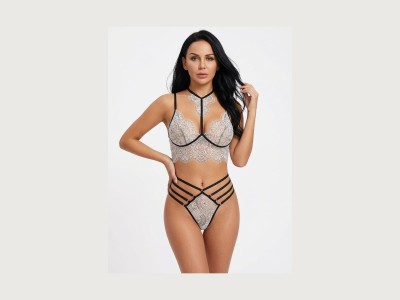
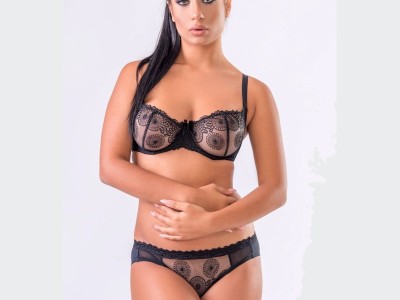
If you are wearing an outer garment in a rich colour, lingerie in a neutral shade (beige, white or dusty pink) creates harmony without producing unnecessary contrast beneath thin fabrics.
Seasonal accents in lingerie
If you want to bring a touch of the seasonal trend into your lingerie wardrobe, choose a set in one of the fashionable shades – for example, dusty pink, burgundy or dark green. It is a wonderful way to feel stylish even beneath the simplest everyday outfit.
Lingerie that expresses individuality
The choice of colour in lingerie is often more personal and daring than the choice of outerwear. That is precisely why it is a wonderful opportunity to express your character without conforming entirely to fashion trends.
6.Practical tips for incorporating seasonal colours into your wardrobe
Start with accessories
If you are unsure how to incorporate a new, bolder colour into your wardrobe, start with accessories – a scarf, bag or jewellery. This is a low-risk way to experiment without investing in an entirely new outfit.
Choose one key garment in a seasonal colour
Instead of renewing your entire wardrobe, choose one key garment in a fashionable shade – such as a jumper, coat or blouse – and combine it with the basic pieces you already own.
Do not be afraid of texture
In addition to colour, the texture of the fabric also affects the overall impression. Velvet, satin or fine knitwear can add depth to a colour and make the look more interesting.
Combine old and new favourites
You do not need to buy an entirely new wardrobe to follow seasonal trends. The most stylish combinations often result from pairing a new, fashionable shade with a familiar favourite from your wardrobe.
7.Common mistakes when combining colours
Too many main colours at once
Combining more than three dominant colours can make the look chaotic and difficult to take in. It is better to aim for a balance between a dominant, supporting and accent colour.
Ignoring your skin tone
Even the most fashionable colour may not suit you if it does not complement your skin tone. It is always worth testing a new shade near your face before deciding whether it should become part of your wardrobe.
Over-reliance on trends
Fashionable colours are a source of inspiration, not an obligation. The best look is always the one that reflects your personal style, even if it does not follow the seasonal palette exactly.
The colours of the season offer a wonderful opportunity to refresh your wardrobe and bring new energy to your look – without having to change your style completely. Whether you choose warm earthy tones, deep rich colours or delicate pastels, the most important thing is that your choice reflects who you are.
And when the colour palette extends to the lingerie you wear – that personal, intimate part of your wardrobe that only you know – the sense of style and confidence becomes even more complete. Because true style begins within, with the way you feel beneath your clothes.
Write a comment